What an epilator actually does, and who it suits
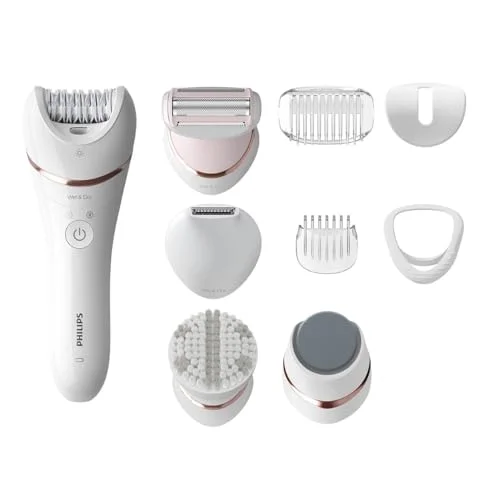
An epilator is a handheld device with a rotating head of tiny tweezers that grip and pull out multiple hairs at once, root and all. That is the whole point of it, and the reason it works so differently from a razor. A razor slices the hair off level with the skin, so stubble is back within a day or two. An epilator empties the follicle, so the skin stays smooth for around two to four weeks, and because the hair has to grow all the way back from the root, regrowth is softer, finer and slower each time. Over months of regular use, many people find their sessions become quicker and far less uncomfortable than the first.
It suits anyone who is tired of shaving every couple of days and wants longer-lasting results at home, without the cost or the appointments of a salon. It is especially good value next to waxing: you pay once for the device and use it for years, with no sticky strips, no warming pots and no waiting for hair to grow long enough to grip. It is not, however, painless, and that is the honest trade-off. Pulling hair from the root has a sharp, plucking sensation, strongest in the first few sessions before your skin adjusts. If that puts you off, the good news is that nearly all of the discomfort can be managed, which is exactly what the rest of this page is about.
Tweezers, heads and wet versus dry: what the specs mean
Three things separate a good epilator from a frustrating one, and none of them is the marketing headline. The first is the tweezer count. More tweezers remove more hair per pass, so a session is quicker: budget units have around 20 to 28, mid-range ones 32 to 40, and the most powerful 60 to 72. A high count is not automatically better, though, because a denser head can feel firmer on the skin, so beginners are often happier starting with a lower count and a gentler action.
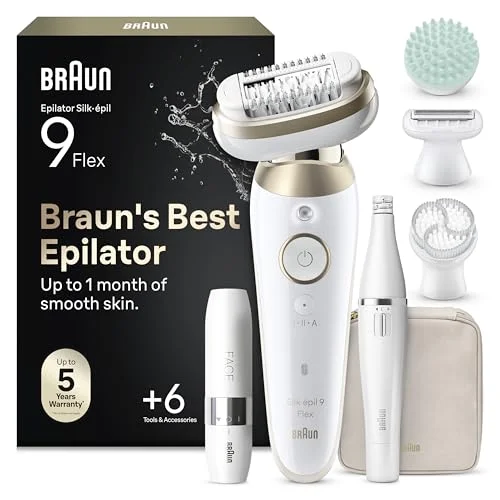
The second is the head design. A fully flexible or pivoting head, like the one on the Braun Silk-epil 9, follows the curves of knees, shins and underarms so the tweezers stay in contact with the skin, which means fewer missed hairs and fewer painful repeat passes. A rigid head is fine on flat areas such as the lower leg but struggles around joints. The third, and for most people the most important, is wet or dry. A wet and dry epilator can be used in a warm bath or shower, and the warm water relaxes the skin and noticeably dulls the sensation, which is the single biggest comfort improvement you can buy. A dry-only unit such as the corded Emjoi can be more powerful on coarse hair, but it asks more of you, especially at the start. Our full epilator buying guide walks through all three in detail.
Does it hurt? An honest answer
Yes, at first, and we would rather be straight with you than pretend otherwise. The first session is the most uncomfortable, because you are removing a full leg of hair that has never been pulled before, and your skin has not yet adjusted. The sensation is sharp but brief, and it fades quickly once you stop. From the second or third session it eases considerably: there is less hair to remove, the regrowth is finer and weaker, and your nerves simply get used to it. Most people who stick with epilation describe it within a few weeks as a mild, tolerable tingle rather than real pain.
Crucially, a lot of the discomfort is within your control. Epilating after a warm bath or shower, on exfoliated skin, holding the skin taut and working slowly at a lower speed all make a real difference, and using a wet and dry unit wet is the biggest single help. Epilating in the evening also lets any redness settle overnight. We have gathered everything that genuinely works into our painless epilation guide, and our step-by-step guide to using an epilator takes you through a first session from start to finish.
Epilator versus shaving and waxing
If you only ever compare an epilator with a razor, the epilator wins on results and loses on convenience, and that is the trade-off in a sentence. Shaving is quick, cheap and painless, but the smoothness lasts a day or two and the regrowth is blunt and stubbly. An epilator takes longer and stings to begin with, but the smoothness lasts weeks and the regrowth comes back soft. We lay the two side by side in our epilator versus shaving comparison so you can decide which fits your routine.
Against waxing, an epilator gives very similar long-lasting results, because both remove the hair from the root, but it does so without the mess, the heating, the strips or the need to let hair grow out between sessions. You can epilate a stray patch the moment you notice it, at any length, in your own bathroom. For most people who want salon-style longevity at home, an epilator is the more practical and far cheaper of the two over time.
How we chose these six
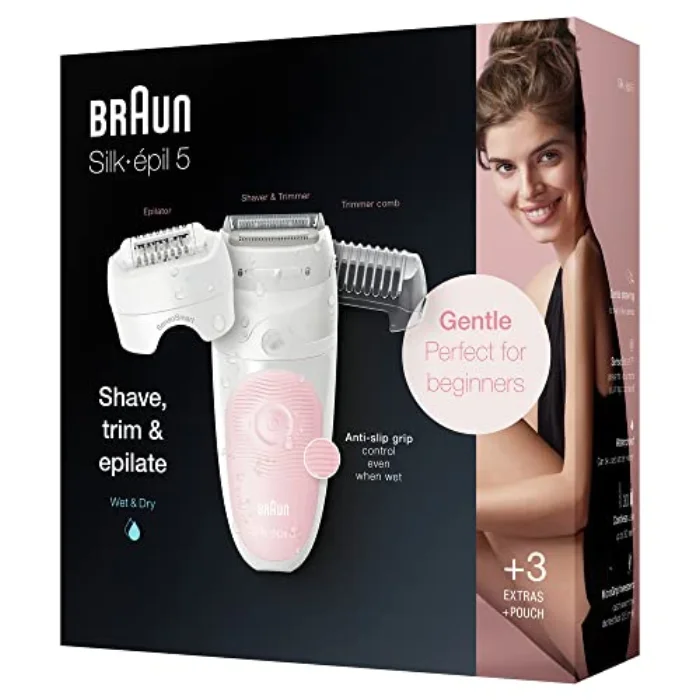
We deliberately picked units that cover the full range of real needs rather than six near-identical mid-range models. There is a flexible-head all-rounder, a high-value workhorse, a genuine budget option, a versatile six-in-one, a gentle beginner's unit and a powerhouse for coarse hair. Every model here is from a brand that is genuinely available and supported in the UK, and each one earns its spot for a specific buyer, with no padding. If you start by being honest about your hair type, your tolerance and your budget, you will find your unit on this list. Our buying guide covers the rest, and you can read exactly how we score each unit on our how we test page.