The honest truth about epilation pain
Let us be straight: epilation does sting, particularly the first time, because you are pulling hair out by the root. We are not going to pretend otherwise. But two things make this far less daunting than it sounds. First, the discomfort drops sharply after the first few sessions, as there is less hair to remove, the regrowth comes back finer and your skin and nerves adjust. Most regular users describe it within a few weeks as a mild tingle rather than real pain.
Second, a large part of the discomfort is within your control. The difference between a sore, miserable session and a quick, tolerable one usually comes down to preparation, technique and timing, not endurance. The tips below are the ones that genuinely move the needle, in roughly the order of how much they help.
Seven tips that genuinely work
1. Epilate wet, in a warm bath or shower. This is the single biggest help. Warm water relaxes the skin and opens the follicles, so hairs release more easily and the pull is noticeably gentler. A wet and dry epilator is worth choosing for this reason alone.
2. Exfoliate first. A gentle scrub or mitt the day before, or just beforehand, lifts dead skin and frees hairs near the surface, which both improves the result and reduces the tugging that causes discomfort.
3. Hold the skin taut. Pulling the skin flat with your free hand stops it being pinched by the tweezers, which is where a lot of the sting comes from. Loose skin hurts; taut skin does not.
4. Go slowly and start on a low speed. A slow, steady pass catches more hairs and pinches less than a fast one. Begin on the lower speed setting and step up only when you are comfortable.
5. Get the hair length right. Epilators work best on hair a few millimetres long. Too long and it tugs; trim it down first so the tweezers grip cleanly.
6. Epilate in the evening. Any redness or sensitivity then settles overnight while you sleep, so you wake to smooth, calm skin rather than facing the day pink.
7. Start with your legs. The skin there is least sensitive, so it is the right place to learn the technique and build tolerance before tackling more delicate areas.
The right device makes a difference
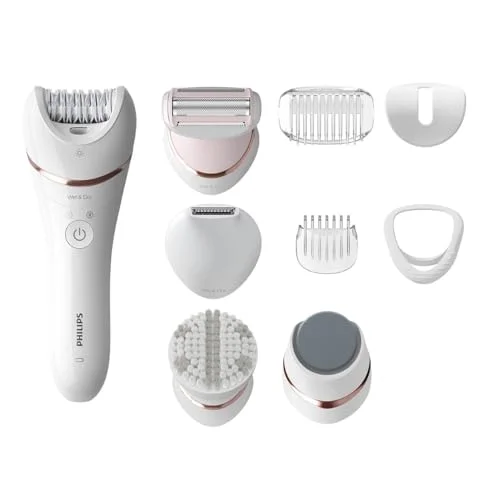
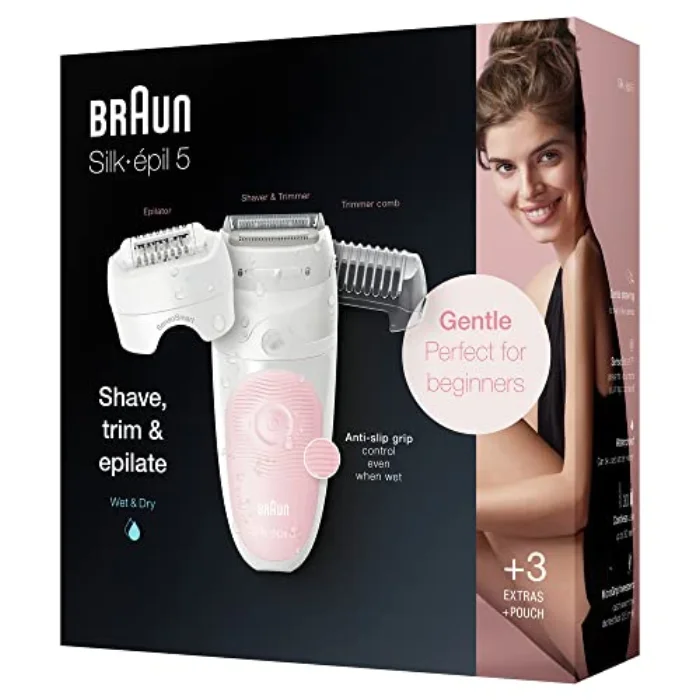
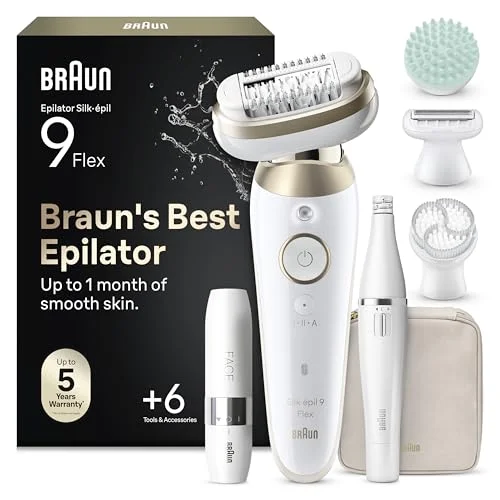
The device you choose genuinely affects how much it hurts. A wet and dry epilator lets you use the warm-water trick that helps most, so it is the first thing to look for. A unit with massage rollers or a comfort cap, like the Braun Silk-epil 5, actively soothes the skin as you work, which is why we recommend it to beginners. A flexible head, as on the Braun Silk-epil 9, keeps the tweezers in proper contact so you make fewer painful repeat passes.
By contrast, a powerful corded, dry-only unit such as the Emjoi Emagine is the most effective on coarse hair but also the firmest to use, with no wet option to soften it, so it is the wrong starting point if comfort is your priority. If you are nervous about pain, choosing a gentle wet and dry model is half the battle won.
What does not help, and one thing to be careful with
A few popular ideas do little. Pressing the epilator harder into the skin does not remove more hair, it just hurts more, so use a light touch. Holding your breath and tensing up tends to make the skin and the experience worse, not better; staying relaxed genuinely helps. And rushing to finish quickly is counterproductive, since fast passes pinch more.
One thing to use with care: some people take a numbing cream beforehand. It can help, but follow the instructions exactly, do not exceed the stated amount or area, and be aware it reduces sensation, so go gently. For most people, the warm-water and technique tips above remove enough of the discomfort that numbing cream is not needed at all.