Before you start: preparing your skin
Good preparation does more for comfort than any single feature on the device. Start by epilating after a warm bath or shower: the heat relaxes the skin, opens the follicles and softens the hair, so it comes out more easily and with less of a sting. The night before, or just beforehand, exfoliate gently with a scrub or mitt. This lifts away dead skin and frees hairs that are growing close to the surface, which both improves the result and helps prevent ingrown hairs afterwards.
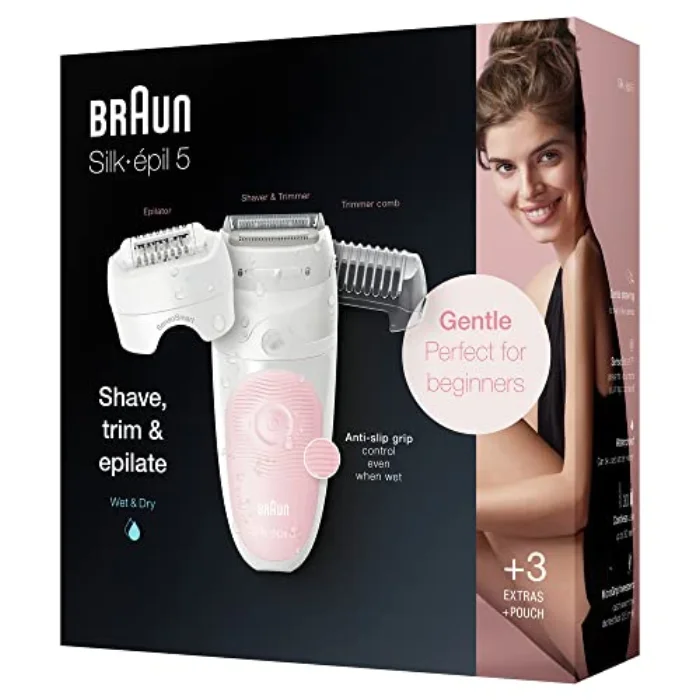
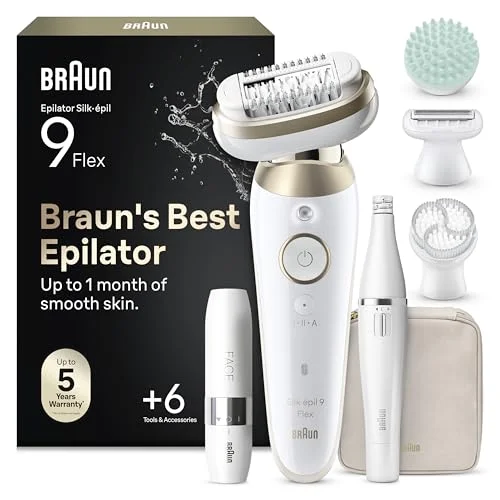
Make sure your skin is clean and completely dry if you are epilating dry, or comfortably wet if you have a wet and dry unit you are using in the bath. Check the hair length too: epilators work best on hair a few millimetres long, around two to five millimetres. If it is much longer, trim it first so the tweezers grip cleanly rather than tugging. With a wet and dry unit such as the Braun Silk-epil 9, doing all of this in a warm shower is the most comfortable approach of all.
The right technique
Technique is where beginners gain or lose the most comfort, so it is worth getting right from the start. Hold the epilator at a 90-degree angle to your skin, not flat against it, so the tweezers can grip properly. With your free hand, hold the skin taut, pulling it gently flat ahead of the head; loose skin gets pinched and pulled, which is what causes most of the discomfort. Then move the epilator slowly, against the direction of hair growth, and let the device do the work without pressing down hard. Pressing harder does not remove more hair, it just hurts more.
Go slowly. Rushing is the single most common mistake: a slow, steady pass catches more hairs and pinches the skin less than a fast one. Many epilators have two speeds, so start on the lower one while you find your rhythm and step up only when you are comfortable. If your unit can be used wet, doing all of this in a warm bath will take a real edge off the sensation, which is why we recommend wet and dry models to most people.
Area by area
Start with your legs. The skin there is the least sensitive, so it is the right place to build confidence and learn the technique before tackling anything more delicate. Work in sections, holding the skin taut and moving up the leg against the growth. Once your legs feel easy, you can move on.
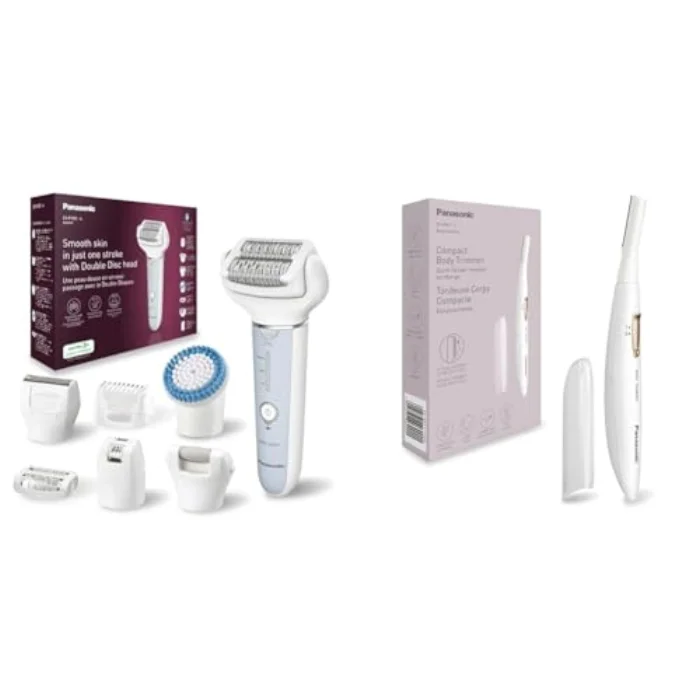
Underarms and the bikini line are more sensitive and the hair often grows in several directions, so go slowly, stretch the skin firmly and re-pass gently from different angles. A tilting or flexible head, like that of the Panasonic ES-EL9A, helps a great deal here. For the face, only use an epilator designed or fitted for facial use, with a small precision head, and keep to areas such as the upper lip, chin and brows, never near the eyes. Facial skin is delicate, so hold it taut and work in small, careful movements.
Aftercare
After epilating, your skin may be a little pink, which is normal and settles quickly, one reason we suggest epilating in the evening so any redness fades overnight. Soothe the skin with a gentle, fragrance-free moisturiser or aloe vera, and avoid harsh products, hot baths, swimming and tight clothing for a few hours while it calms down. Skip perfumed lotions and deodorant on freshly epilated underarms for the rest of the day.
Between sessions, exfoliate regularly, two or three times a week, to keep the skin clear and prevent ingrown hairs as the new finer hair grows back. This simple habit is the best defence against the bumps that put some people off epilation, and it keeps each session smoother than the last.