How each method works
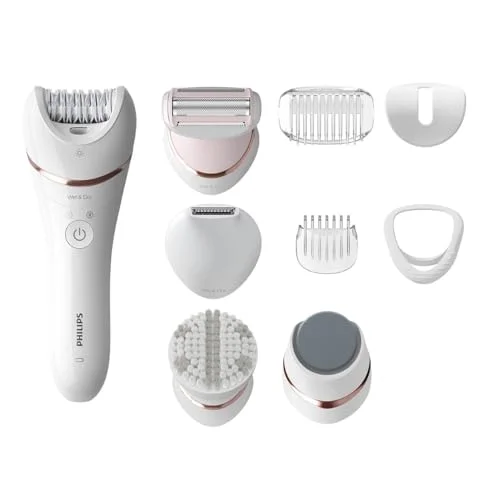
The fundamental difference between the two methods is where they cut the hair. A razor slices the hair off level with the surface of the skin, leaving the root and the rest of the hair intact below. An epilator grips the hair with tiny rotating tweezers and pulls it out from the root, emptying the follicle completely. Everything else, how long the result lasts, how the regrowth feels, the comfort, follows from that single difference.
Because shaving only removes the visible tip, the hair is still there and grows out within a day or two. Because epilation removes the whole hair, the follicle has to regrow it from scratch, which takes far longer. Understanding this is the key to choosing: you are really deciding whether you want quick and painless but short-lived, or slower and a little uncomfortable but long-lasting.
How long the results last
This is where the epilator wins decisively. Shaved skin stays smooth for roughly one to three days before stubble appears, so it suits people who do not mind a quick touch-up every couple of days. An epilator keeps skin smooth for around two to four weeks, because the hair has to grow all the way back from the root before it is visible again. For many people that means epilating roughly once a fortnight instead of shaving several times a week.
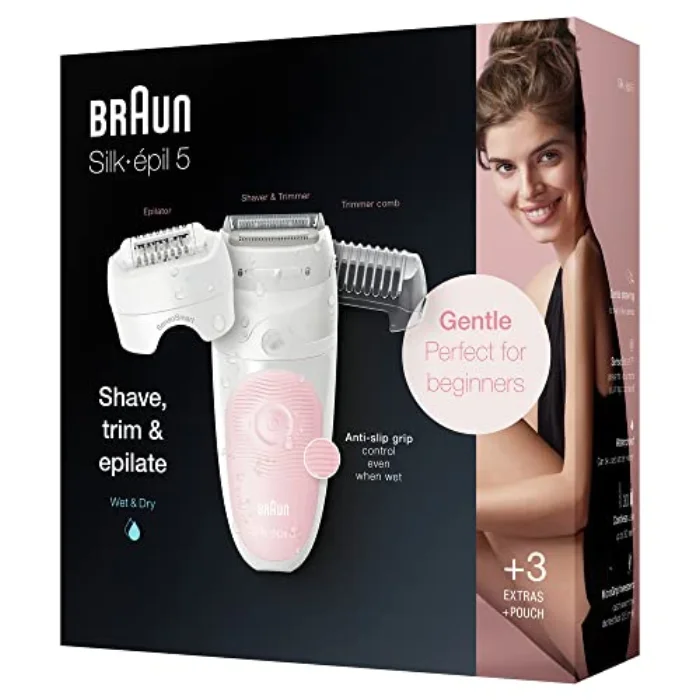
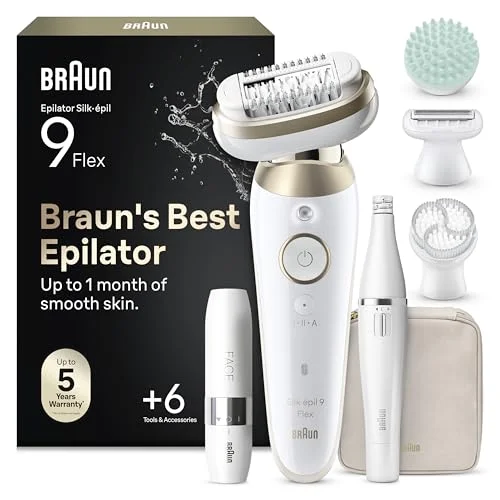
There is a bonus, too. Repeated epilation gradually weakens the follicles, so over months the regrowth comes back finer, softer and slower. Shaving has the opposite reputation: while it does not actually make hair thicker, the blunt cut tip can feel coarser and more noticeable as it grows out. If long-lasting, increasingly fine results are your goal, an epilator such as the Braun Silk-epil 9 is the clear choice.
Comfort and skin
On pure comfort, shaving wins, at least at first. It is painless when done with a sharp razor, which is its main appeal. Epilation, by contrast, has a sharp plucking sensation that is strongest in the first few sessions. The gap narrows quickly, though: epilation becomes much more tolerable as your skin adjusts and the regrowth thins, and using a wet and dry epilator in a warm bath takes a great deal of the sting out from the start.
For the skin itself, each has its own risks. Shaving can cause razor burn, nicks and stubble rash, and it often leads to ingrown hairs because the blunt-cut hair can curl back into the skin. Epilation avoids razor burn entirely, but it can also cause ingrown hairs if you do not exfoliate, and it leaves the skin briefly pink. The remedy is the same for both: regular gentle exfoliation keeps the skin clear whichever method you choose. Our painless epilation guide covers the comfort side in full.
Cost over time
Up front, shaving is far cheaper: a razor costs very little to start. Over time, though, the maths shifts. Replacement blades or cartridges add up steadily, year after year, and the cost never stops. An epilator is a single purchase that lasts for years with no consumables at all, so while it costs more on day one, it is usually the cheaper option over the life of the device. For anyone planning to remove hair regularly for the long term, the epilator is the better-value choice, the budget Remington EP7035 makes that switch cheap to try.